
Project Manager
Western Developer Society•
Sept 2025 - Present
Lead Up
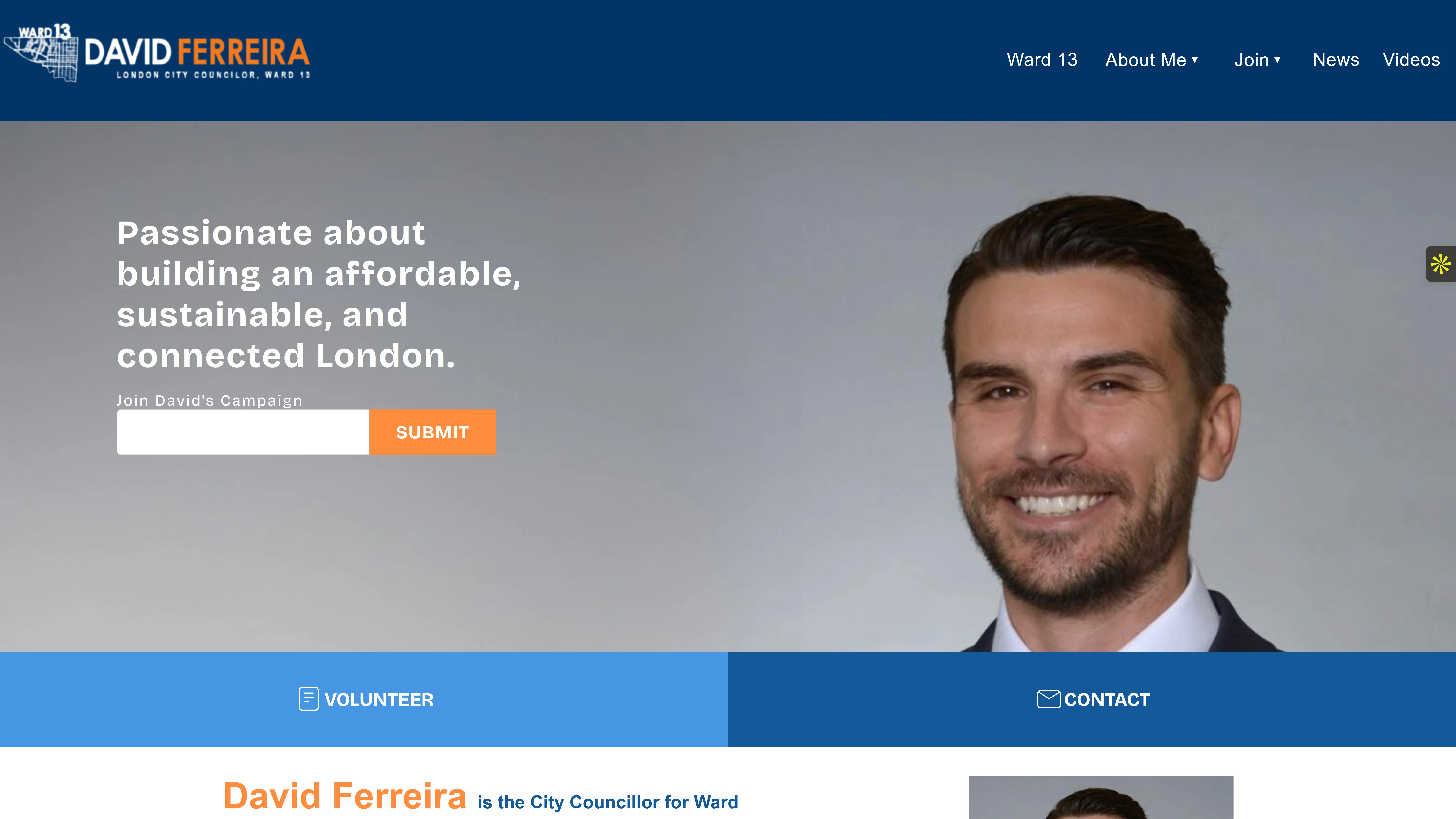
My journey to become a project manager started in my second year. I was a developer for WDS, working on redesigning the website of a local London councillor. During this time, I greatly improved my technical skills, but also saw many of the inefficiencies in club development teams. These inefficiencies motivated me to become a project manager in my third year. I knew that I had the necessary technical skills as well as the experience to lead my own team.
Application Process
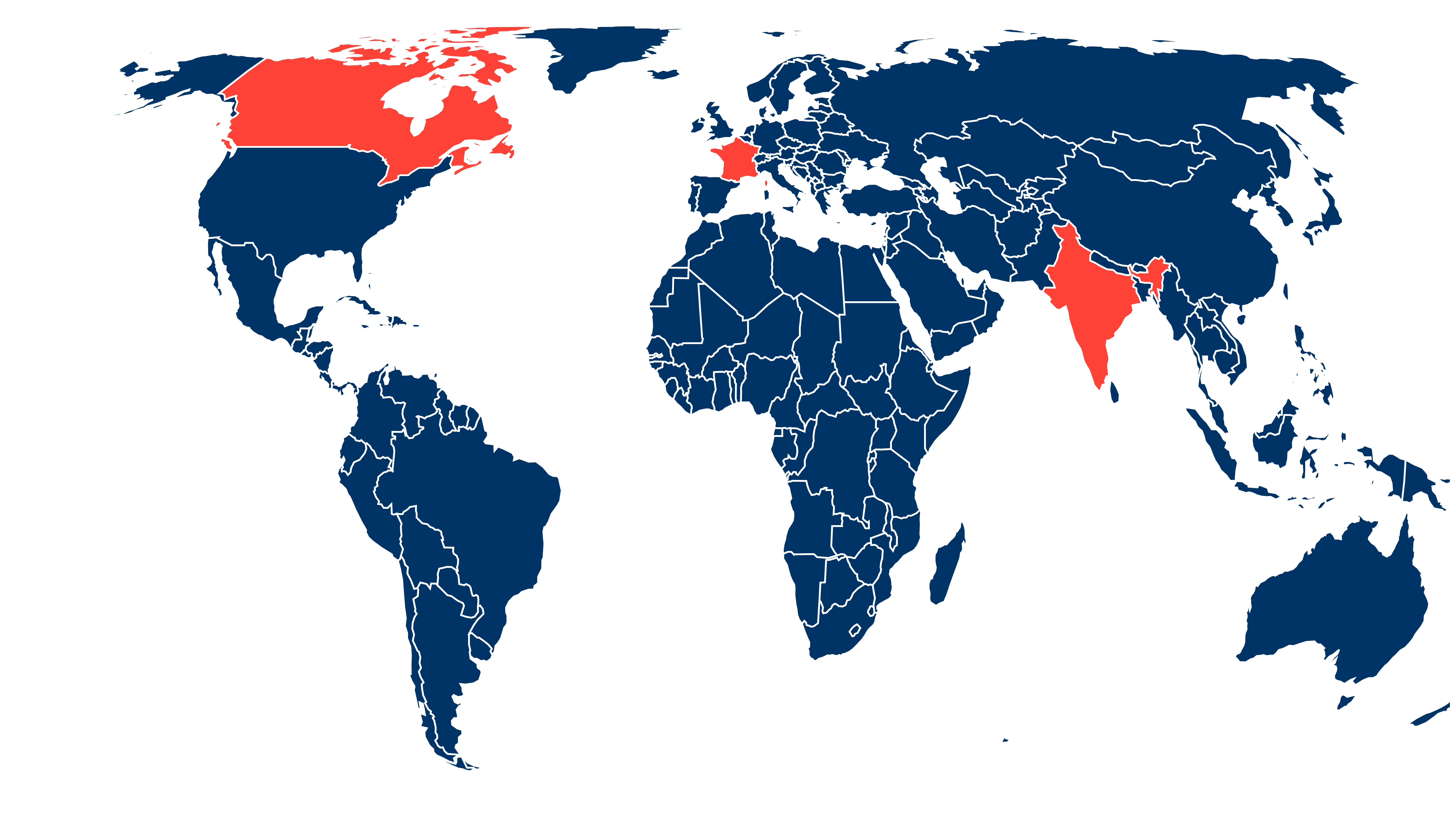
In September, the applications for the Project Manager position at Western Developer Society opened. I quickly applied and went through 3 rounds: initial application, take-home assignment and behavioural interview. I found the whole process to be straightforward. For the take-home assignment, we had to make a simple app that had a frontend and a backend. I opted to make an app that tracks what countries a person has visited. The behavioural interview went off without a hitch. I remember learning a month later that another candidate had tried using Interview Coder for the interview, which I found hilarious. My friend who was hiring for another club also told me about this individual separately. Cheating on club interviews is a next level of down bad.
The Start
On October 12th, 2025, on the day of my birthday, I received my acceptance email. I had successfully become a project manager for Western Developer Society.
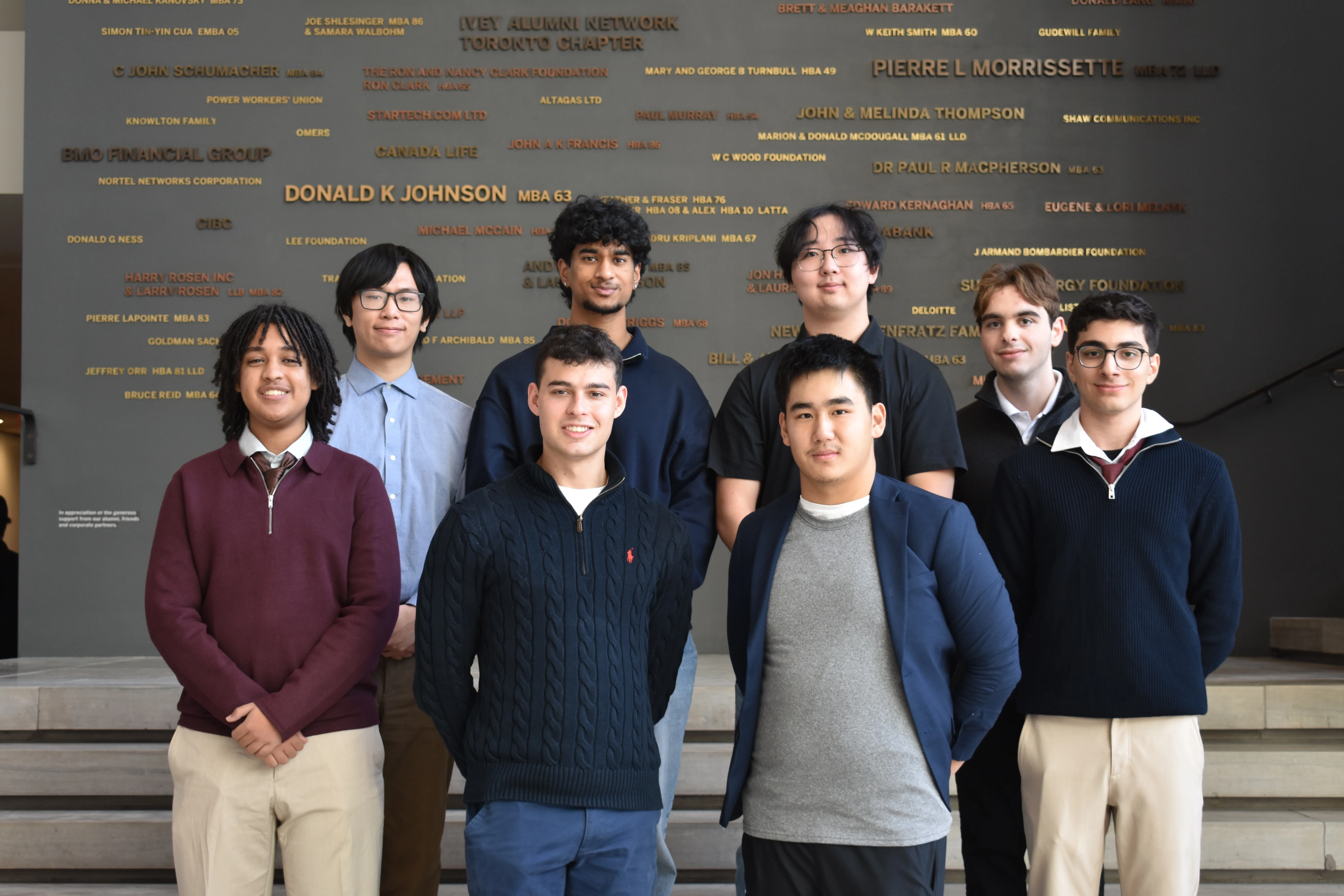
The typical WDS project has the following team structure. Each project has 2 project managers, 6 developers, and 1 client. The project managers are responsible for orchestrating developers, meeting with clients, providing progress updates and requisitioning resources for developers.
I quickly introduced myself to my co-project manager, Tristan, and after finding out who our developers were, we quickly got to work.
I planned the first meeting with the developers extensively. I knew that creating a strong team culture would be the #1 factor in determining our project's success. I decided to set up our kickoff meeting at a low-stakes restaurant to encourage team-bonding. I created team contracts that clearly outlined expectations and made developers sign them. The early focus on team culture paid off: weekly meetings had 100% attendance, developers communicated quickly, and a sense of accountability had developed.
Getting into the flow
Soon after, I would also meet with our client, Talkmaze, for the first time. Talkmaze is a small business that teaches kids how to speak. They were experiencing several pain points around payment processing, coach scheduling, gamification of their education curriculum and having to juggle several different SaaS to run their business effectively. The solution they needed was a centralized education platform that could handle all these aspects on one site.
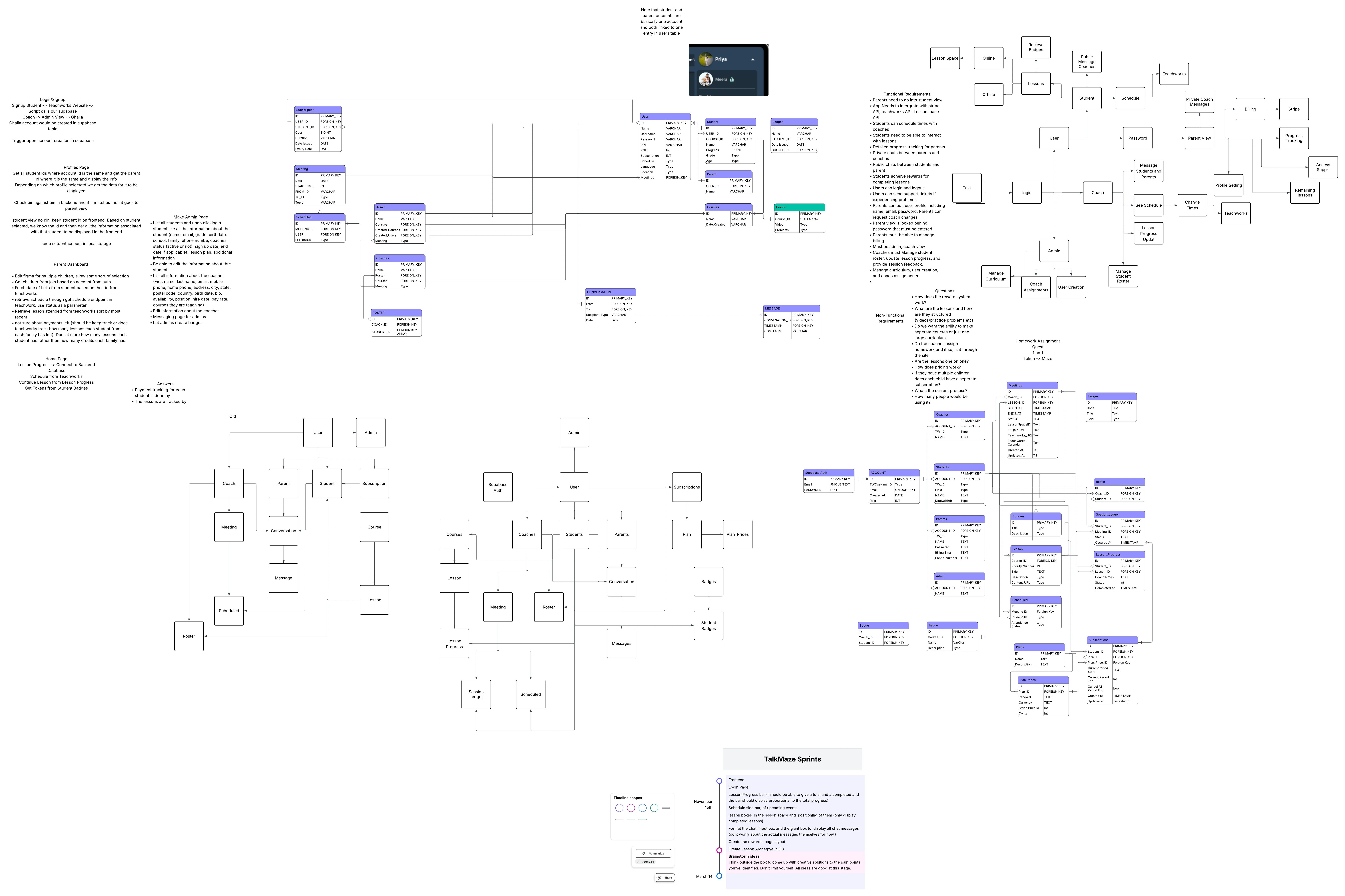
This was easier said than done, and over the Fall Reading week, Tristan and I spent much of our time planning the app. I distinctly remember how I was vacationing in Florida, but instead of enjoying the nice weather, I was sitting on a call, drawing diagrams, creating requirements, engineering our sql database, setting up the repositories and planning sprints. The result: Developers did not have to worry about the high-level architecture, but instead could focus on their clear, actionable tickets leading to faster development times.
Settling in
As of the time of writing, the project is in full swing. We are having weekly sprint meetings, assigning tickets, meeting with the client biweekly and making solid progress. I have become a mentor to my developers constantly providing support, hopping on calls outside of meetings to provide guidance and help debug. I am really enjoying the role and we are way ahead of schedule!